What
is Naturopathic Medicine?
Naturopathic
Medicine has been a distinct American health care profession for over
a hundred years.
In the late 1800s, practitioners from several medical disciplines combined
to form the first Naturopathic professional societies.
By the early 20th century, more than 20 Naturopathic medical colleges had been
founded in the US, and Naturopathic Doctors were licensed in a majority
of states.
By the 1920s, Naturopathic medical conventions attracted more than 10,000 practitioners.
Naturopathic medicine experienced a decline in the middle of the 20th century
with the rise of technological medicine, pharmaceutical drugs and the “quick
fix” idea that drugs and surgery could eliminate all diseases.
Over the last three decades, however, a health conscious public has increasingly
sought alternatives to conventional medical philosophy.
The
Naturopathic Physician
Naturopathic
Doctors are trained in the following Medical Sciences:
• Anatomy
|
• Pediatrics
|
• Physiology
|
• Dermatology
|
• Pathology
|
• Cardiology
|
• Biochemistry
|
• Pulmonology
|
• Radiology
|
• Oncology
|
• Pharmacology
|
• Psychology
|
• Microbiology
|
• Rheumatology
|
• Immunology
|
• Minor
Surgery
|
• Venipuncture
|
• Physical
Exam
|
• Gynecology
|
• Obstetrics
|
• Laboratory
Diagnosis
|
• Neurology
|
• Clinical
Assessment
|
• Gastroenterology
|
Naturopathic
medical colleges are four-year, graduate level medical schools
with admissions requirements comparable to those of other medical
schools. The Doctor of Naturopathic Medicine degree (N.M.D. or
N.D.) is awarded after classroom, clinic and practical study.
In addition to a standard medical curriculum, the four years include course
work and clinical training in natural therapeutics. This includes Homeopathy,
Botanical Medicine, IV/Injection Therapy, Minor Surgery, Traditional Chinese
Medicine/Acupuncture, Physical Medicine and Hydrotherapy.
Naturopathic doctors must also pass National Board Exams required
by the NABNE (North American Board of Naturopathic Examiners) for
board certification.
These National Board Exams include a one-day Basic Sciences Board Examination
and a three-day Clinical Board Examination
|
Principles
of Naturopathic Medicine
A
Naturopathic Doctor is a Primary Care Provider trained as a
Specialist in Natural Medicine. The Principles of Naturopathic Medicine
include:
The Healing Power of Nature. Naturopathic
Doctors work to restore and support the body’s own healing
abilities by using methods, medicines and techniques that are in
harmony
with natural processes.
Identify and Treat the Cause. Naturopathic Doctors seek to
identify and remove the underlying causes of an illness, rather
than to
merely eliminate or suppress symptoms.
First Do No Harm. Naturopathic Doctors utilize non-invasive
treatments and therapies which minimize the risks of harmful side-effects.
Doctor as Teacher. Naturopathic Doctors
educate their patients on preventative medicine and encourage them
to take responsibility
for their health.
Treat the Whole Person. Naturopathic Doctors treat the whole
person by taking into consideration physical, emotional, dietary,
genetic,
environmental, lifestyle and other factors.
Preventative Medicine. Naturopathic Doctors
emphasize the prevention of disease, assessing risk factors, and
making appropriate interventions
with their patients to prevent illness.
Natural Therapies and Services
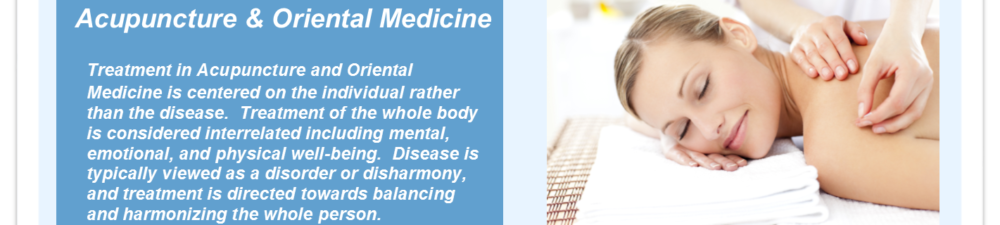
Acupuncture and Chinese Medicine: Stimulation
of acupuncture points strengthening the energy of the body, reducing
pain, and enhancing metabolic function.
Botanical Medicine: The use of scientifically standardized
plant substances (herbs) as medicine. Quality herbs and correct
dosage is essential for an effective result.
Clinical Nutrition: Using diet and nutritional
supplements to maintain health and to treat illness.
Environmental Medicine: As we age, pollution in
our environment accumulates in our body affecting the liver, kidneys
and brain causing a wide variety of symptoms. Toxic exposures to
mercury, plastic, chemicals, and air pollution can be identified
with lab testing.
Homeopathy: Using a very dilute natural substance
to enhance the body’s immune system to correct itself.
Lab Assessment and Evaluation: Labs are utilized
as a tool to enhance prevention of a disease process and to treat
an existing illness.
Lifestyle Counseling and Modification: Mental attitudes
and emotional states can be an important element in healing an illness.
Naturopathic Doctors are trained in counseling, nutritional balancing,
and stress management.
Our Naturopathic Doctor in Olathe Kansas looks forward to teaching you how to stay healthy. |